Eagle Scout Project by Henri Boulanger May 6, 2024
Posted by bsciencecenter in Uncategorized.add a comment
Burlington student Henri Boulanger, finished his eagle scout project this winter in collaboration with the Science Center. His project was installing a new fence and gate around our large bird of prey enclosure out side the Science Center and High School. He also designed and built a hutch for our materials barrels and a new gate for the outdoor tortoise enclosure. This space was in great need and we appreciate all of his hard work and dedication along with his group of community volunteers. Great job Henri!


The 2024 Great American Eclipse Event April 29, 2024
Posted by bsciencecenter in Uncategorized.add a comment
The Burlington Science Center hosted the Great American Eclipse Event on April 8th for K-5 Burlington students and families at the Burlington Parks and Recreation Center. The event included informational activities, live animals, eclipse viewing opportunities and maximum totality celebration. Science Center founder, John Papadonis was in attendance with his eclipse viewing telescope. Mrs. Pavlicek rode the famous rocket car at maximum coverage. It was a great way to celebrate this amazing event!


The Great American Eclipse 2024 March 14, 2024
Posted by bsciencecenter in Uncategorized.add a comment
The Burlington Science Center is hosting the Great American Eclipse Event on April 8th from 2:30-4:30 for K-5 Burlington students and families. The eclipse maximum totality happens at 3:25. It will take place at the Burlington Parks and Recreation Center. The event will include informational activities, live animals and eclipse viewing opportunities. More detailed information sent through Parent Square! RSVP is appreciated.
Watch our Science Center Video to learn more about eclipses and the event!
2023-24 Name the Alligator Challenge Winner! February 27, 2024
Posted by bsciencecenter in Uncategorized.add a comment
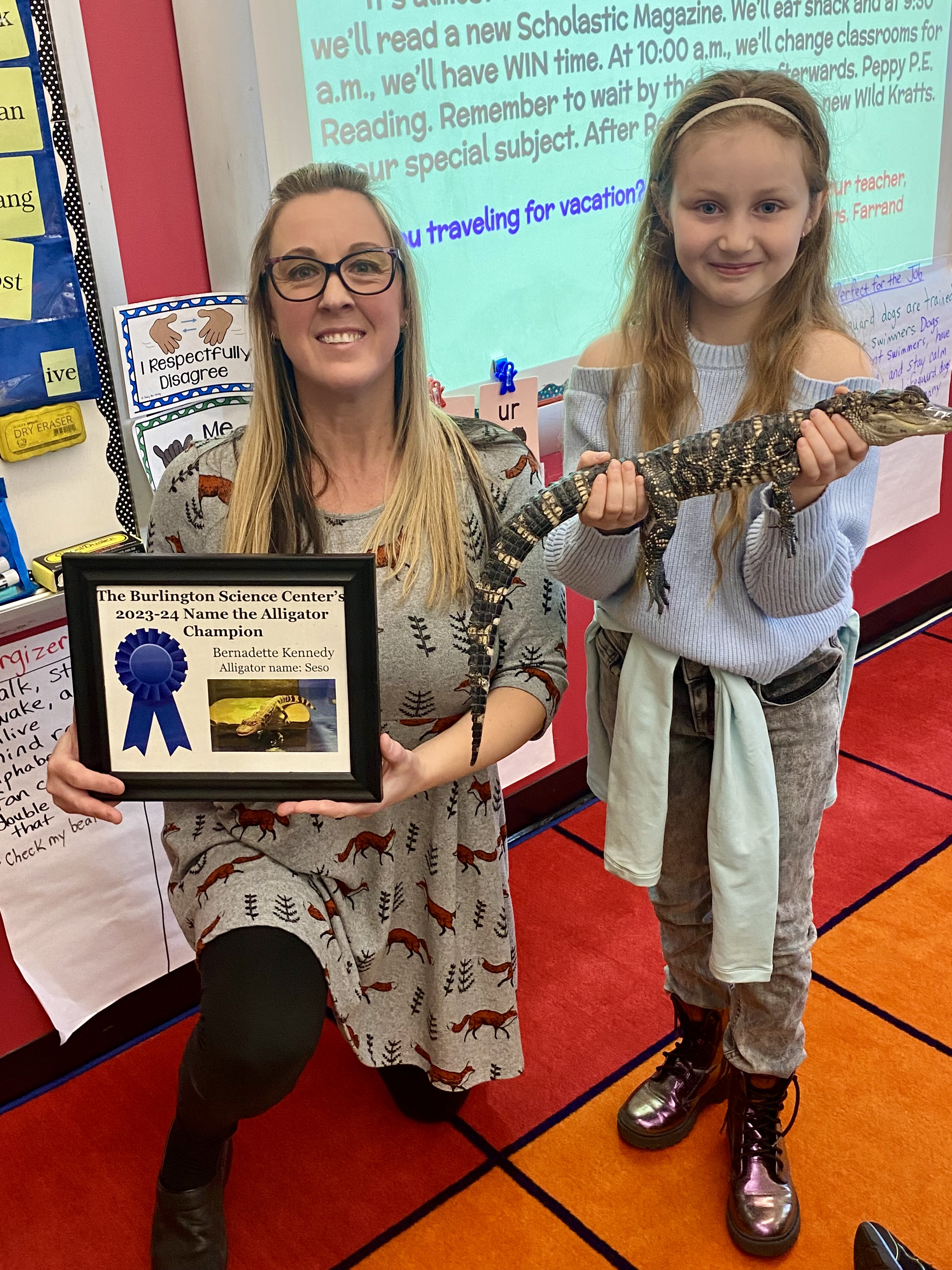
It is a yearly tradition for second graders to name our educational ambassador alligator. The winner is Bernadette Kennedy from Memorial School. She picked the name “Sisu.”
Bernadette had her photograph taken for the Daily Times newspaper and received a framed award with a goody bag of science prizes. She also had the opportunity to show the alligator to her classmates, allowing each student to touch the animal if they wanted to. Congratulations and thank you to all the students who participated.

Reliable Fence Donates Fence to Owl Enclosure November 27, 2023
Posted by bsciencecenter in Uncategorized.add a comment
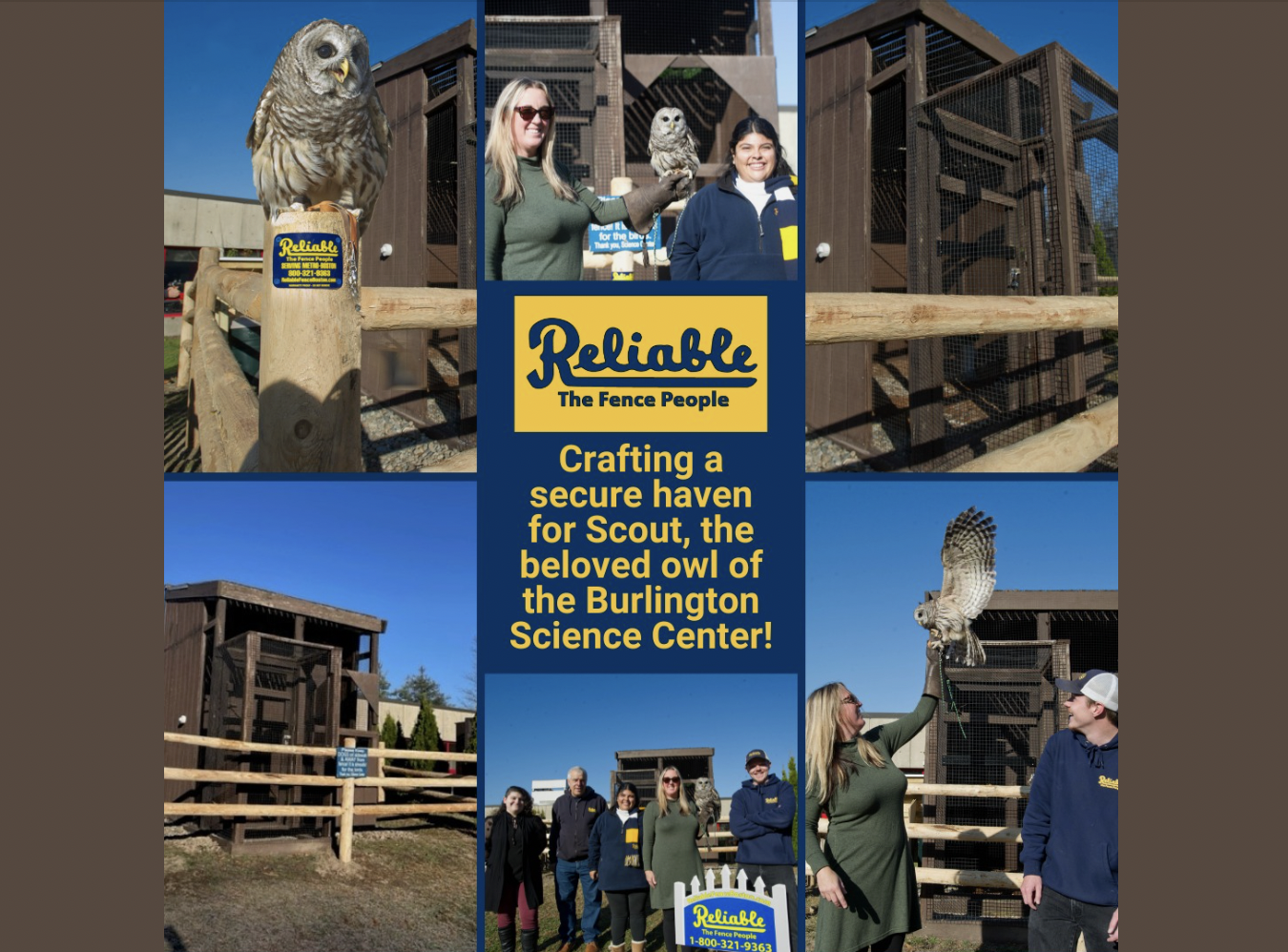
We would like to thank Reliable Fence of Boston for their generous donation of a new fence for our owl enclosure at the Burlington High School. We appreciate them and do not hesitate to contact them for any of your fencing needs.
How can we contribute to our town and government? Third graders interview Town Meeting members and Burlington employees to find out! November 7, 2023
Posted by Sean Musselman in Uncategorized.Tags: Burlington, Civics, Francis Wyman, Grade 3
add a comment
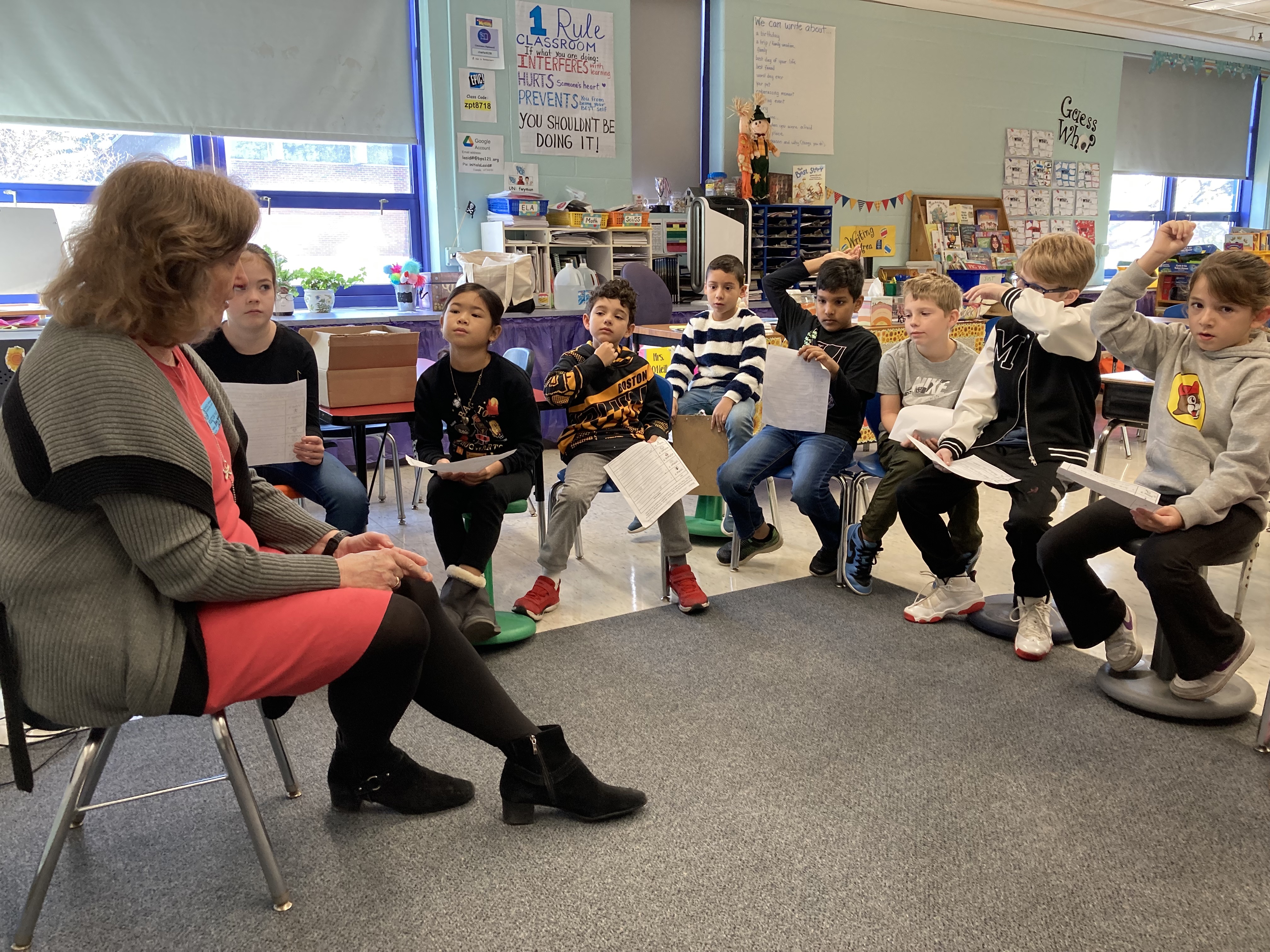
Francis Wyman third graders have been investigating our town’s past and present over the past month, learning about how Burlington has changed over time, how citizen’s of Burlington have contributed to the town in the past, and how our elected officials and town employees serve Burlington today! Their investigative unit recently wrapped up with an “interview day” featuring Town Meeting Members from the Francis Wyman neighborhood and Burlington employees from Town Hall as well as the Department of Conservation and Recreation.

Town leaders supported students exploration of what governments do, how local governments are organized in Massachusetts, and how people participate in and contribute to their communities by sharing the efforts of their peers as well their own unique contributions through their roles in town.

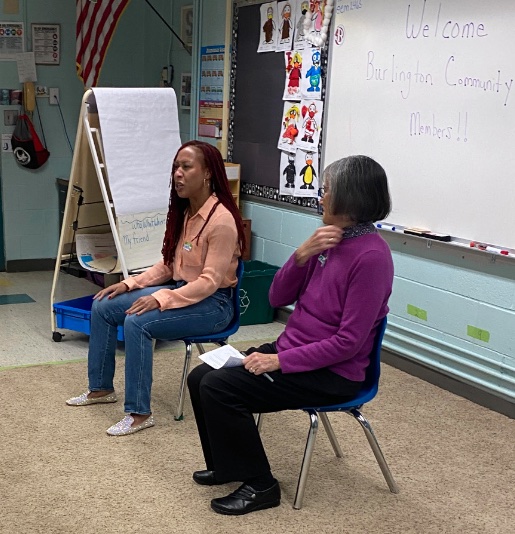
The experience was a great success for students, educators, and our volunteers who were so thrilled to share with their civicly-engaged constituents! Thank you to, Betsey Hughes, Shari Ellis, Schiffon Wong, Kevin Spielberger, Christine Conceison, Martha Simon, Brendan Egan, Amy Warfield, and Eileen Coleman for setting aside time to share their experience serving Burlington with our students!

Mill Pond Habitats Field Trip June 8, 2023
Posted by bsciencecenter in Uncategorized.add a comment
Second grades in Burlington learn about Habitats in their Science curriculum. During their unit, they visit the Mill Pond Reservoir in Burlington to observe local plant and animal species, while discovering information about the local water source. They are introduced to the field trip by viewing this video: Habitats Intro Video.

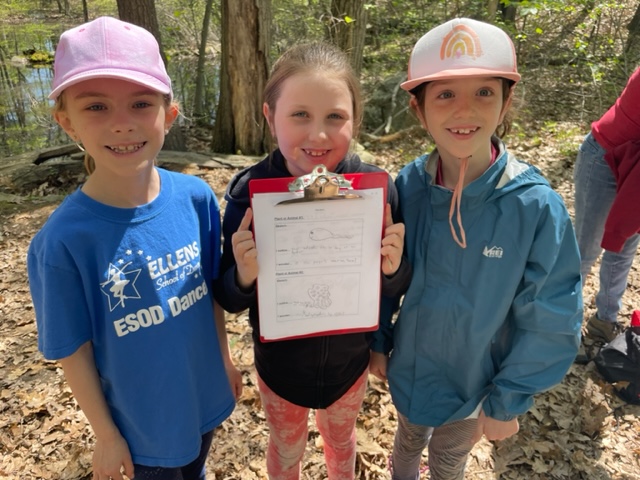
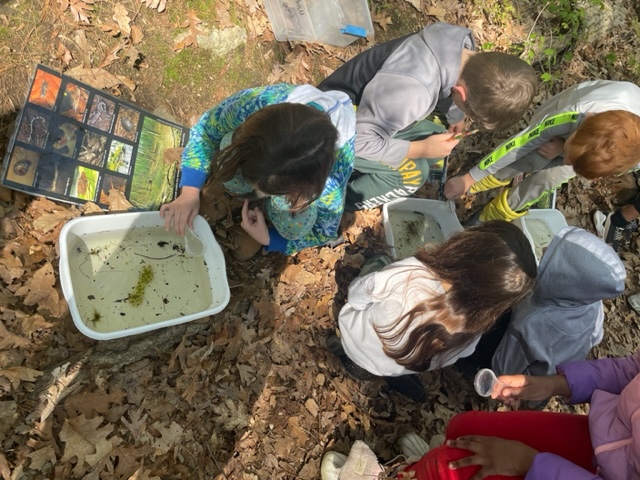
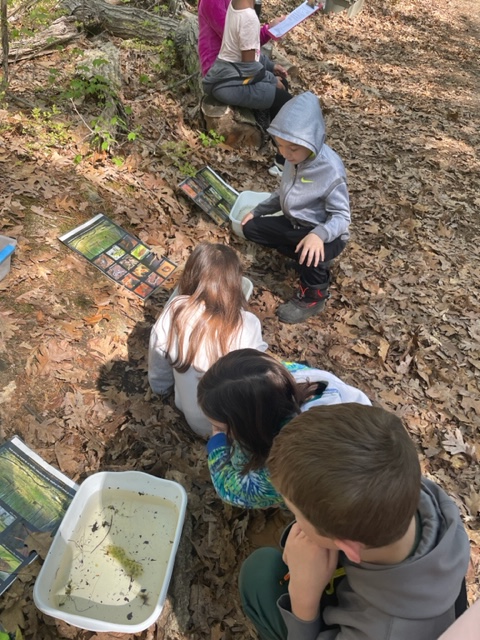
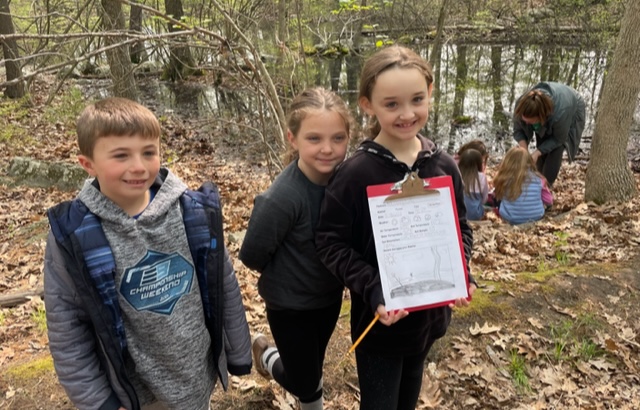
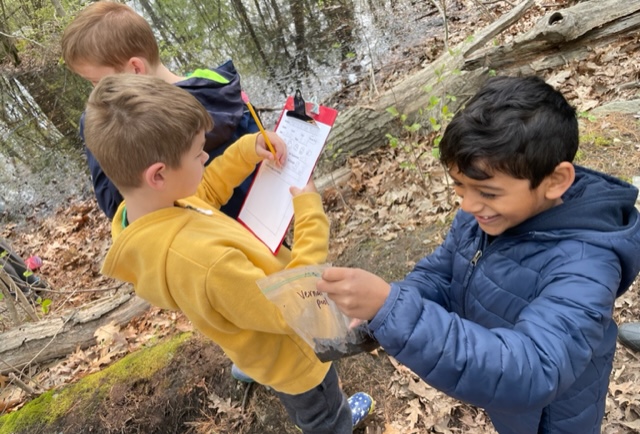

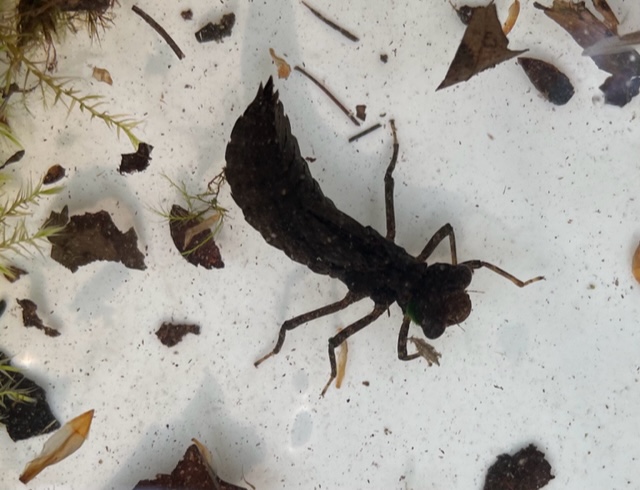
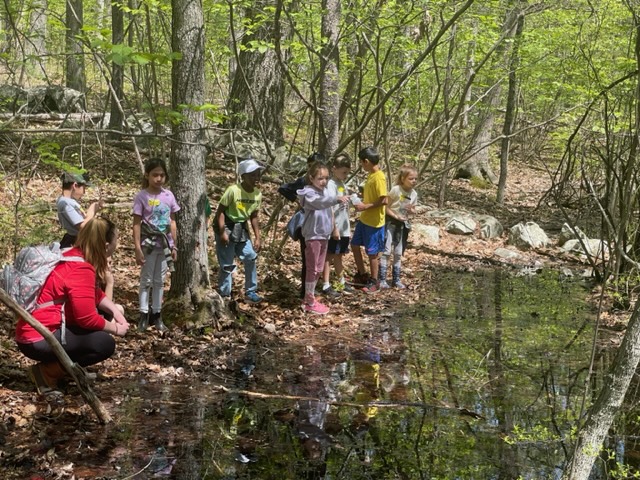
Students visit 2 different habitats (field & vernal pool) to compare and contrast the habitats themselves and the living things that are found there. We encourage classes to visit their own schoolyard as a 3rd habitat when they return to school. Students are placed into groups of 3 (3 jobs in groups: one person is recorder, other weather & temperature, other soil scientist) and each group works as scientists to fill out a Reservoir Field Trip Student Data Sheet at each of the habitats. They record air temperature, water temperature and soil temperature. Students Collect soil samples for description (color, smell, contents) and fill out plant & animal observations. The data sheets will are brought back to the classroom to then analyze the data and make comparisons of the habitats.
Science Center Visit to Senior Center June 5, 2023
Posted by bsciencecenter in Uncategorized.add a comment
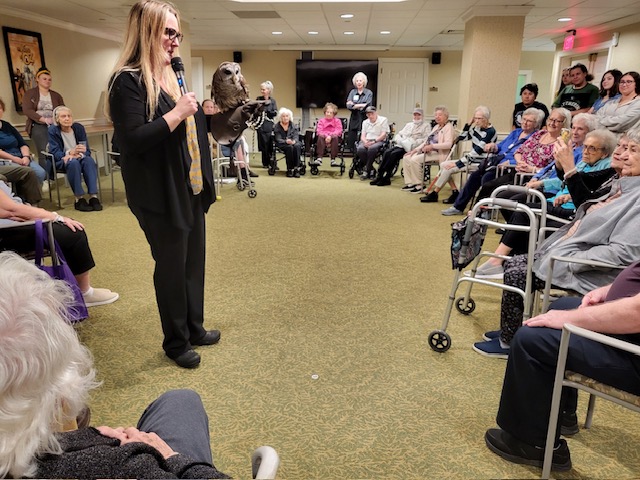
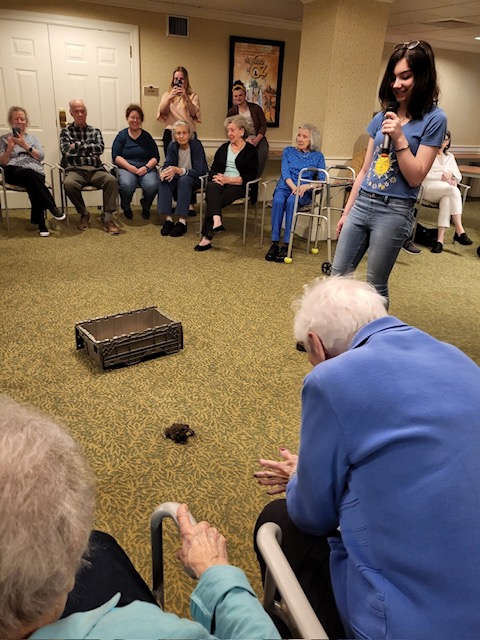
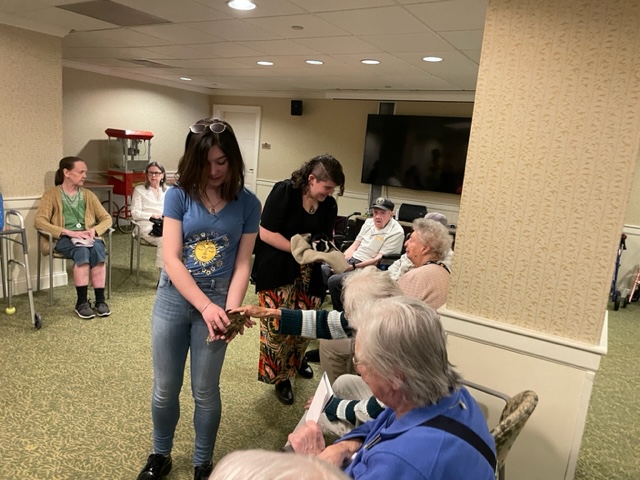
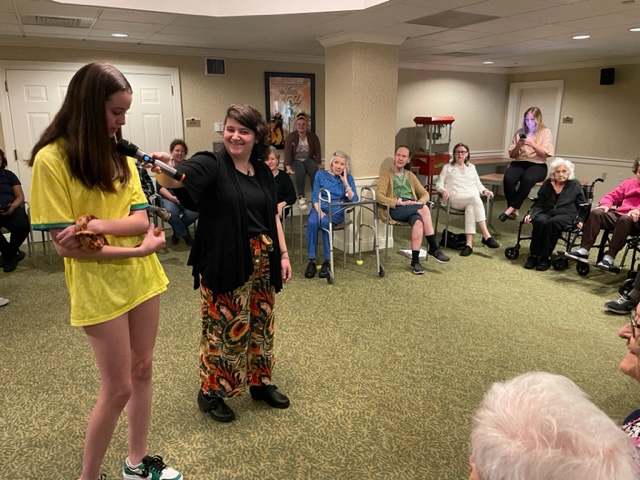
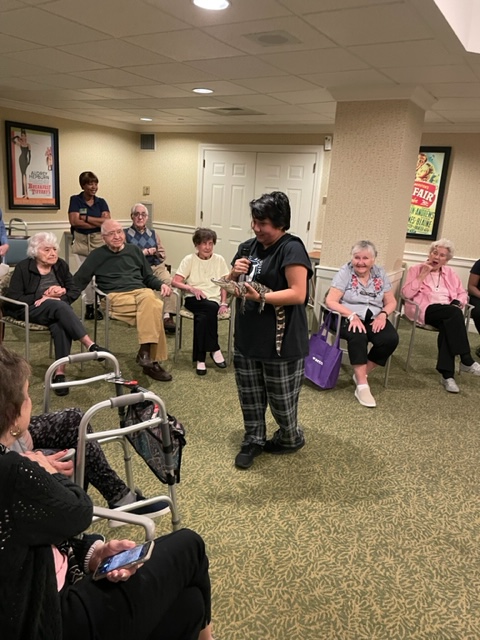
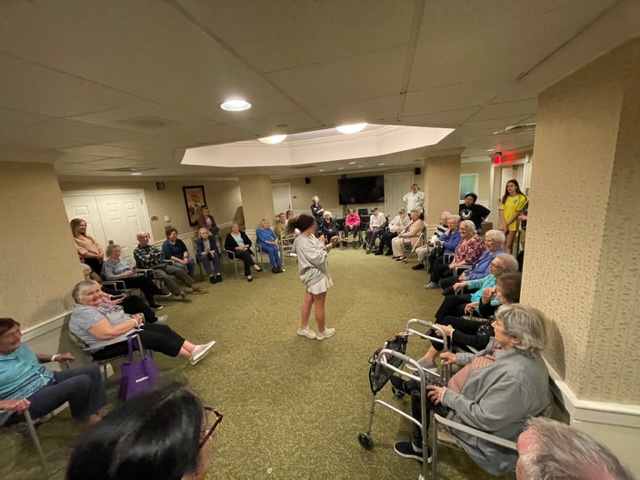
BHS Science Center aides visited Atria Longmeadow Independent, Assisted and Memory Care Facility. They introduced themselves and an animal of their choice including facts about the animal. They then interacted closely with the residents, allowing them to touch, hold or closely view an alligator, hedgehog, Guinea pig, snake, giant toad, owl, tortoise, box turtle, parrot and gecko. I am so very proud of our students!



Animals Need Foster Homes for the Summer May 31, 2023
Posted by bsciencecenter in Uncategorized.add a comment
The Burlington Science Center is looking for homes for some of its animals over Summer break.
- Gerbils & Hamsters (several available, easy-low care)
- Guinea Pig (high care, large cage, 2 available-one is recovering from surgery)
- African Clawed Frogs (2 available, care similar to fish-eats hand/tweezer fed live worms)
- Tarantula (easy care, eats live crickets)
- Young snapping turtles ( 1 tank available, eats pellets & live worms)
- Gecko (1 available, eat live insects-worms & crickets)

- The Science Center will provide cage, STARTER food, shavings, & care sheet for the animal.
- Call Ms. Pavlicek (781)-270-2928 or e-mail pavlicek@bpsk12.org asap if interested. You will need to interview & discuss the details of care with Ms. P for all animals before being assigned the animal for the summer. If you travel, you must find someone to carefor the animal while you are away.
- Animals are distributed on a first come, first serve basis. PLease respond to emails within 48 hours or will move onto the next interested family.
- All animals must be picked up by Tuesday June 13th making an appointment with Ms. Pavlicek. Thank you.
Tide Pool Cancellation Update and Opportunity May 26, 2023
Posted by Sean Musselman in Uncategorized.add a comment
As many first grade families already know, the tide pool field trips for the Memorial and Fox Hill elementary schools were cancelled this week due to broken plumbing in the facilities at Marblehead’s Chandler-Hovey Park that left students, chaperones, and educators without a proper public bathroom for miles.
Ms. Pavlicek and Mr. Musselman do everything in their power to reschedule experiences for our students whenever possible, and our field trips are no exception. That said, the opportunities to schedule and visit the tide pools within the time frame of a school day is very limiting due to the nature of the tides themselves and travel necessary to visit what few publicly accessible tide pools exist in Massachusetts.
While nothing can completely replace the experience at Chandler-Hovey Park, Ms. Pavlicek and Mr. Musselman visited the Fox Hill and Memorial first grades on Thursday and Friday to provide alternative programming addressing the academic goals of the trip. Students participated in a “Create-a-Creature” challenge after viewing a video created by Ms. Pavlicek during the pandemic exploring the tide pools and its inhabitants parts and function.
Though Ms. Pavlicek and Mr. Musselman are disappointed in being unable to share the shoreline with our students this year, the cancellation creates an opportunity for families to discover the joy of the tide pools for themselves with a trip this Memorial Day weekend to Chandler Hovey Park.
Chandler Hovey Park is located on Marblehead Neck. Its tide pools are accessible during low tides by traversing down a slope of large boulders. This weekend’s low tide times are 11:48AM on Saturday, May 25th and and 12:39PM on Sunday, May 26th. Because of our Moon’s 28.5 day orbital period around Earth, the high/low tide times shift by about 50 minutes later each day.
As stated before, the restrooms are not currently operational because of a plumbing failure that remains unfixed so if you do travel to Marblehead, plan accordingly! You can also go any time this summer and spend a morning or afternoon flipping rocks for crabs, snails, seastars and even urchins. Just be sure to check the tidal calendar before you go and aim your visit a little before low tide.
 The Burlington Science Center